



Astronomers have confirmed greater than 6,400 planets past our photo voltaic system(opens in a brand new window) for the reason that first ones have been introduced in 1992(opens in a brand new window). A worldwide group of newbie astronomers has lengthy been a part of that search. Some comb by public telescope information for small, repeated dips in a star’s brightness that might sign an orbiting planet. Others use their very own telescopes to observe for the subsequent dip and share what they see with researchers.
Both searches recognized potential exoplanets. Bond and Byrd have now turned to astronomers for an impartial evaluation of their outcomes. Bond contacted an astronomer on the SETI Institute, who ran an impartial search and located two of the identical alerts within the Kepler information. Byrd despatched one in every of his strongest candidates to researchers engaged on NASA’s Transiting Exoplanet Survey Satellite (TESS) mission. It’s in line for additional evaluation, and two extra candidates are awaiting submission.
One of the commonest methods to search out an exoplanet is to observe the star it orbits. When a planet passes in entrance of its star from our perspective on Earth, it blocks a tiny quantity of starlight. Astronomers name that crossing a transit. On a graph of the star’s brightness over time, often known as a light-weight curve, a transit exhibits up as a dip. If the dip retains coming again at common intervals, astronomers know when to observe for it once more.
Searching for that sample throughout hundreds of stars is partly a coding downside. Astronomers have revealed strategies for selecting out faint, recurring dips in years of measurements. Bond used Codex to match these strategies, mix them in a search program, and check whether or not adjustments to the code improved the search. One AI agent scanned the sunshine curves for promising alerts. Another ran extra detailed checks on the candidates the primary one flagged.
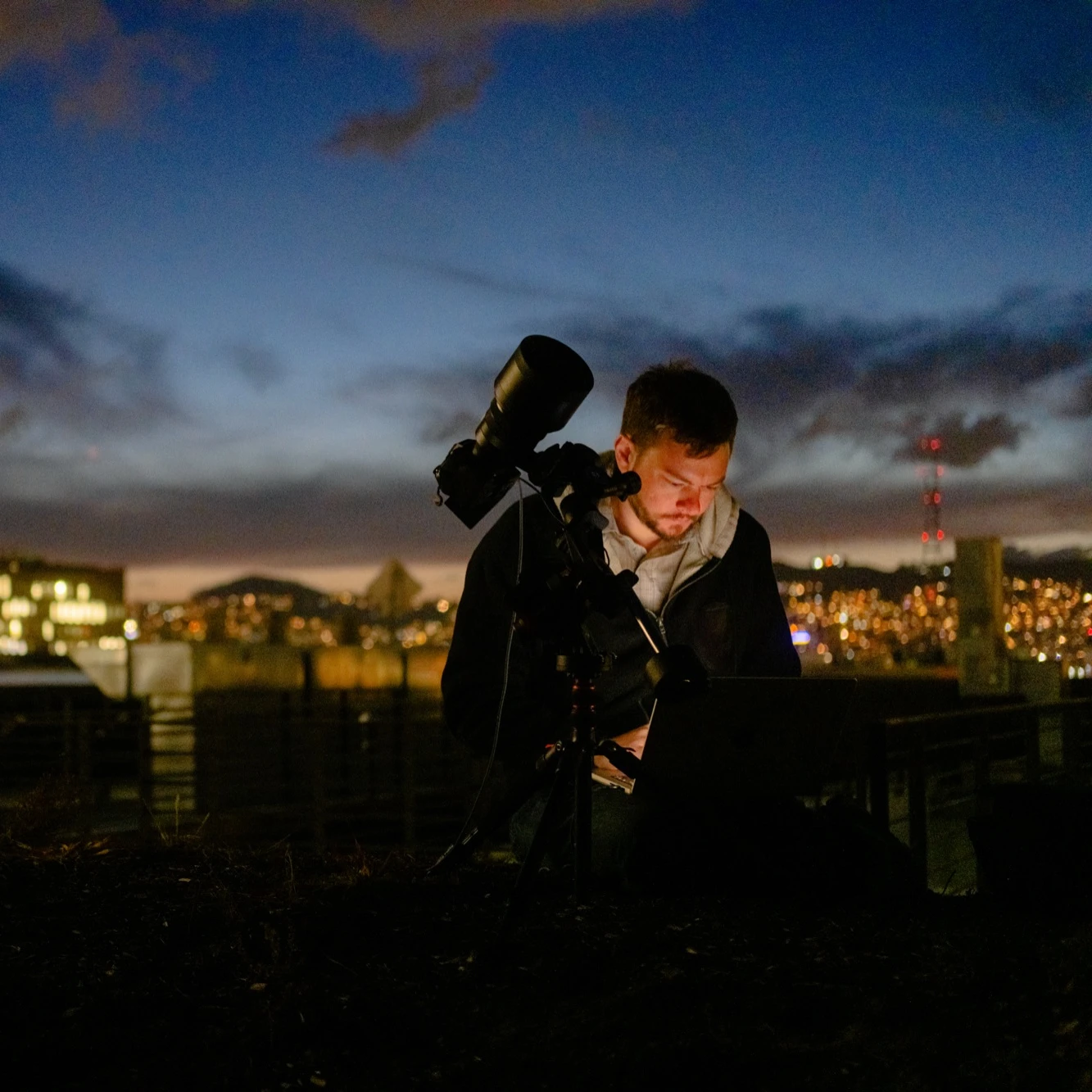
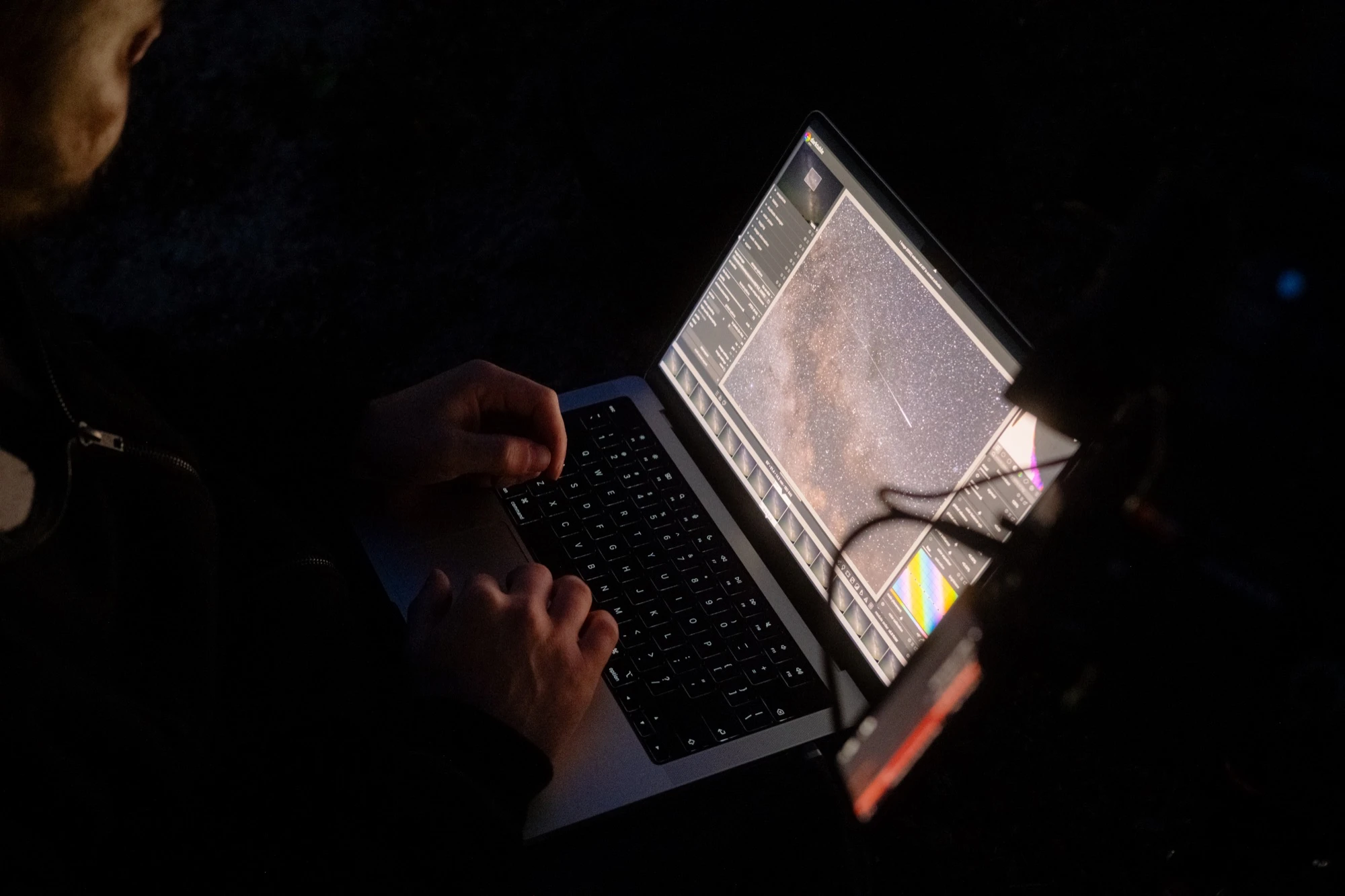
Bond ran this system on public information from the Kepler Space Telescope. The search flagged greater than 200 alerts, together with 10 from beforehand confirmed planets. Finding these recognized planets gave Bond confidence that this system may pick the sorts of alerts he was wanting for.
Two stars stood out. The first, KIC 5689121, is a comparatively cool star about half the scale of our solar within the constellation Lyra. The Codex search discovered a dip in brightness each 13.8 days. If a planet is inflicting it, the quantity of sunshine it blocks suggests it might be about 2.4 instances Earth’s diameter.
These 4 curves present the identical Kepler observations aligned on a 13.77-day cycle.
The second star, KIC 6691030, is faint and lies within the northern sky. The Codex search discovered a dip in its brightness each 4.8 days, constant with a planet smaller than Neptune. These have been the 2 alerts the SETI Institute astronomer discovered independently. Confirming what brought on them may take months or years.
“Kevin’s work shows how citizen scientists, equipped with AI, can help astronomers explore the Kepler Bonus Catalog—a vast collection of stars beyond Kepler’s original targets. His pipeline has surfaced promising candidates in data traditional searches may have missed. Our initial checks are encouraging, and follow-up observations will tell us more.”
Vishal Gajjar, affiliate director for worldwide SETI packages on the SETI Institute
Byrd used Astra to design two searches. One seemed broadly for exoplanet candidates. The different centered on stars’ liveable zones. A liveable zone is the vary of distances from a star the place a planet with an appropriate ambiance may help liquid water on its floor.
Byrd then requested Astra to evaluation revealed strategies, construct the search software program, and run preliminary checks on promising alerts. His searches drew on observations from TESS, which NASA launched in 2018, and from different public telescope archives.

The first move by the information turned up 49 candidates. Byrd despatched one in every of his strongest candidates to researchers engaged on the TESS mission, the place it’s awaiting additional evaluation. His search continues to be operating.
When astronomers see a star dim, they’ve to contemplate what else would possibly clarify it. Two stars passing in entrance of each other can produce an analogous dip. Even a change in temperature aboard a telescope can have an effect on its devices sufficient to make a star seem to dim.
Astronomers can use statistics to point out that an exoplanet is the more than likely rationalization for a collection of dips. They may also gather extra observations, typically utilizing a special technique. For instance, an orbiting planet’s gravity tugs on its star, inflicting it to maneuver barely towards and away from us. That movement, known as radial velocity, exhibits up as tiny shifts within the colour of the star’s gentle. Astronomers then publish their findings in a peer-reviewed journal so others can study the proof.
For Bond and Byrd, every candidate is a query that may be examined. If a planet is passing in entrance of the star in Lyra each 13.8 days, astronomers can watch for the subsequent crossing. Further observations may help set up whether or not the dip repeats as anticipated, whereas extra checks may help decide what’s inflicting it.
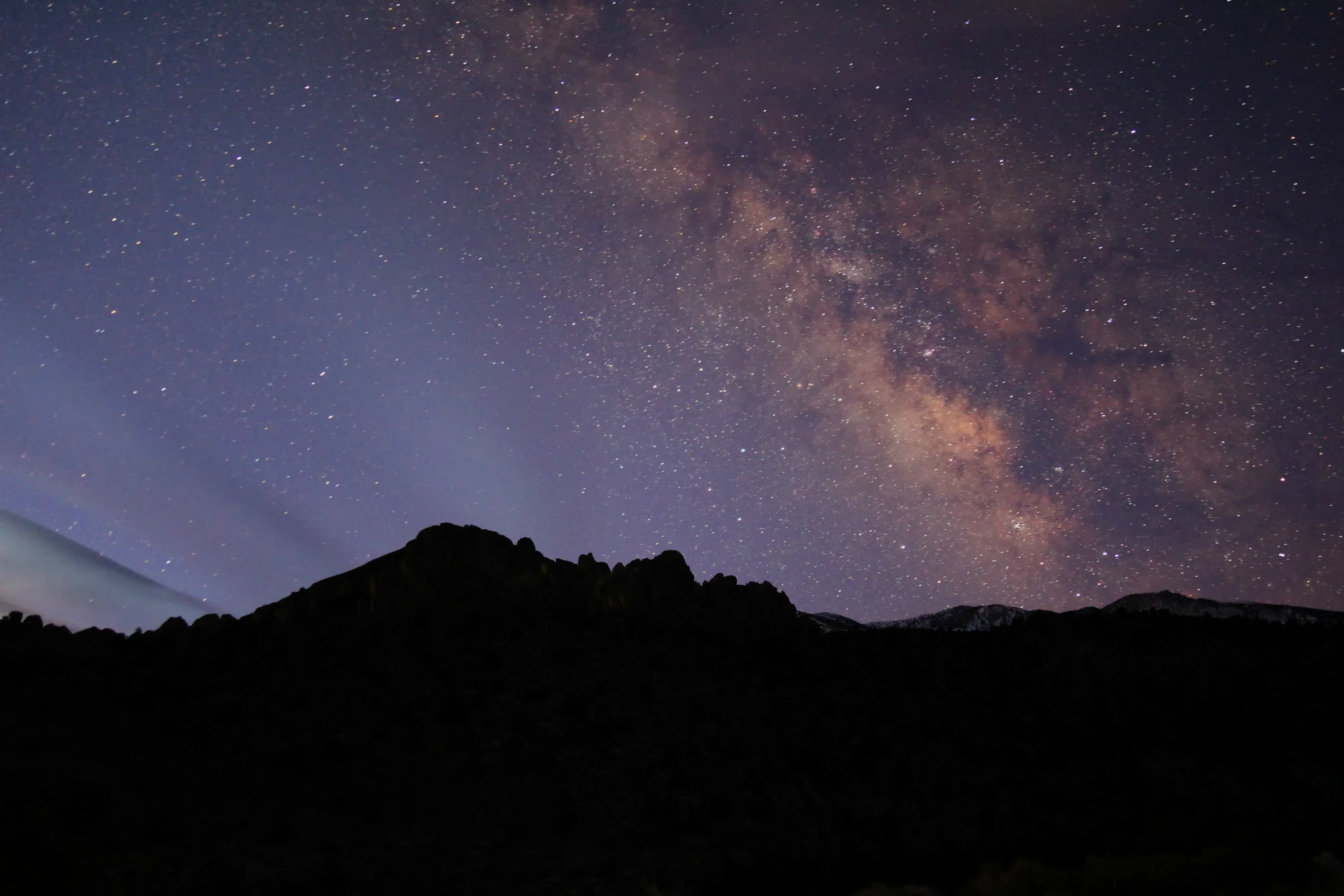
Photographs by Kevin Bond
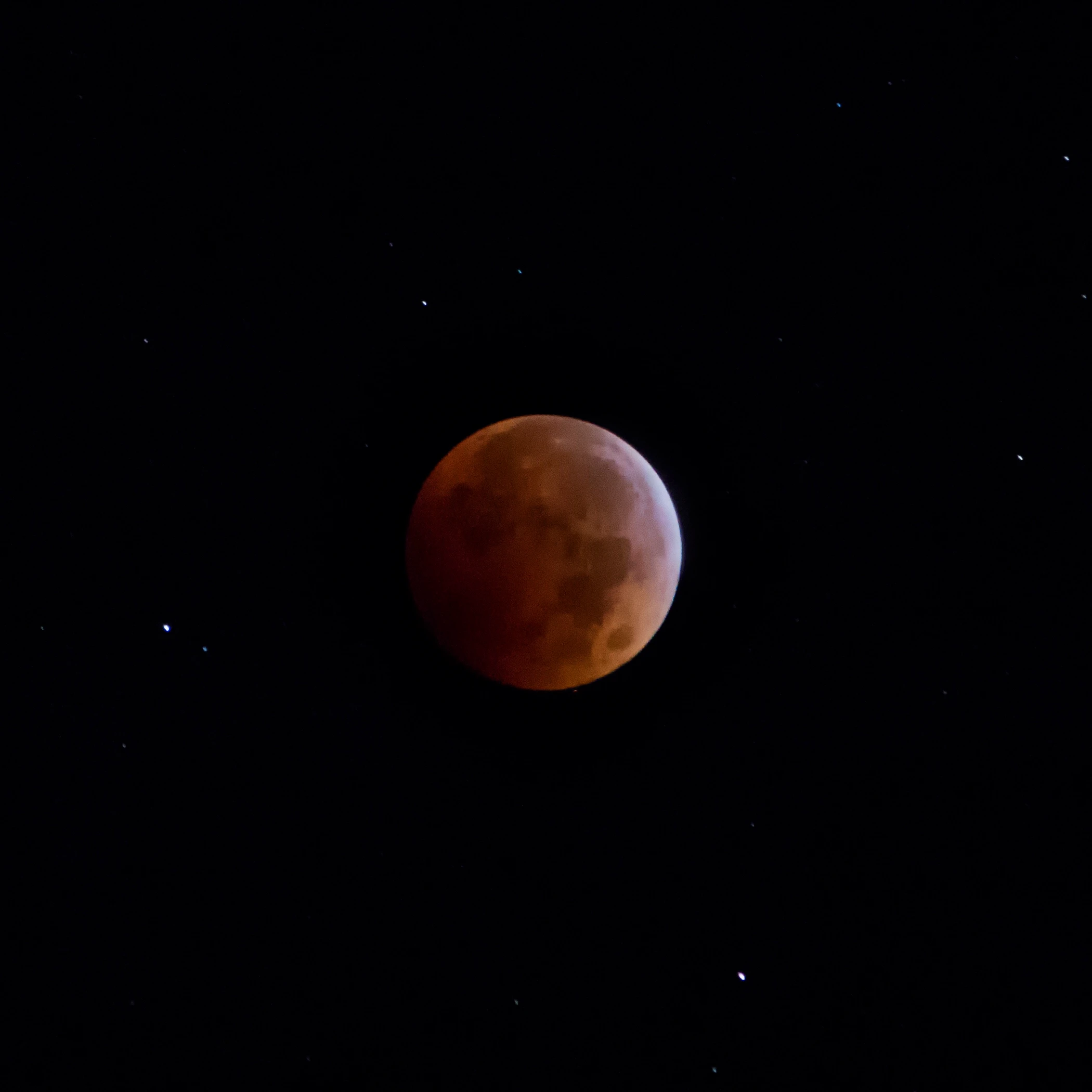
You can contribute with out proudly owning a telescope. NASA’s Exoplanet Watch(opens in a brand new window) helps you to request information and study to plot a light-weight curve your self. Its broader exoplanet citizen science packages(opens in a brand new window) provide different methods to take part.
If you’ve gotten entry to a telescope, Exoplanet Watch walks customers by find out how to gather information on transiting exoplanets and take part in remark campaigns. AAVSO’s Exoplanet Observing Program(opens in a brand new window) can present you find out how to measure a dip in starlight and share your observations with the researchers finding out that planet. And the Unistellar Network Investigating TESS Exoplanets(opens in a brand new window) coordinates volunteers world wide with a sure sort of telescope to look at the identical star, serving to astronomers catch transits that may last more than a single night time.
Astronomy has a protracted historical past of individuals world wide following their curiosity and sharing what they discover. Bond and Byrd are a part of that custom. Their searches are nonetheless open, however they turned a love of the night time sky into leads that different astronomers can examine. We need extra folks to have that chance, in astronomy and throughout science.
If you need to comply with alongside with new findings, sensible steering, and views from researchers utilizing AI to advance science try the OpenAI science weblog.
